How to get Google reviews (Google Maps) consistently and per location

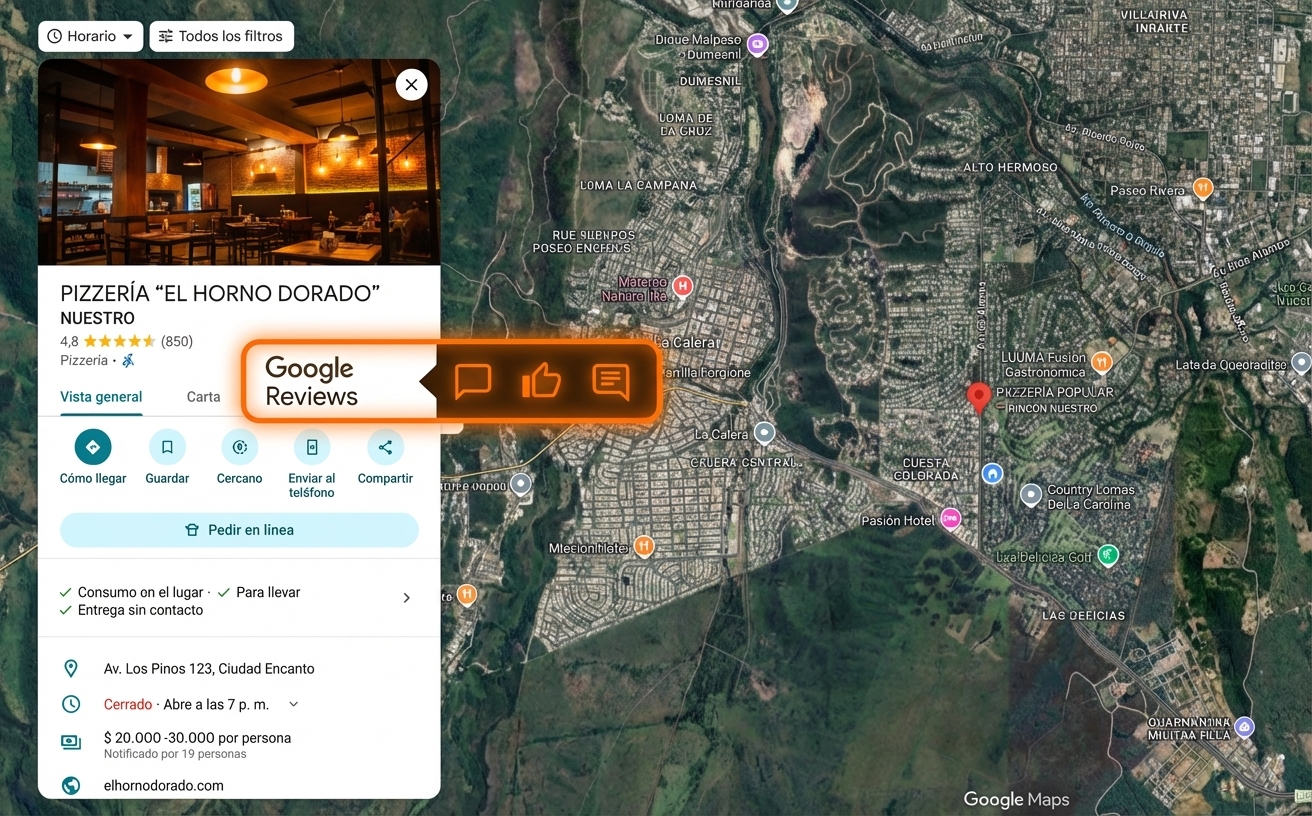
Getting Google reviews is not about “asking more.” It is about building a system to generate a constant flow of reviews per location, without depending on occasional campaigns or team mood. If your business competes on Google Maps, this guide shows you how to do it right and how to connect review generation with your [Google Maps positioning](/ {country}/google-maps/google-maps-positioning) strategy. 👉 Request demo: [Contact](/ {country}/contact) 👉 View plans: [Pricing](/ {country}/pricing)

Request demo

Why getting Google reviews is a multiplier

In Google Maps, reviews serve 3 functions:

  • User decision: people compare rating + recent reviews + how the business responds.
  • Trust: an active profile signals operations and control.
  • Acquisition: if your goal is to grow from Maps, reputation is part of the system.
  • That is why getting reviews is not an isolated tactic: it is one piece inside [online reputation management](/ {country}/online-reputation-handling).

Mistake #1: “Campaigns” instead of “consistency”

The strategy that usually works best for chains and multi-location brands is:

  • fewer spikes,
  • more consistency.
  • A daily/weekly review flow per store tends to sustain reputation and performance more steadily than “I push 30 reviews this month and then nothing.”
  • If you want to understand how this connects with visibility, read [Google Maps ranking](/ {country}/google-maps/google-maps-ranking).

What actually works: 5 levers to get Google reviews

H3 — 1) Ask for reviews at the right time

The best moment is usually when the customer is satisfied and the experience is fresh (checkout, post-delivery, post-service).

Practical rule: ask for a review when the customer would naturally say “thank you.”

This becomes much more consistent when you turn it into process inside a [multi-location reputation strategy](/ {country}/online-reputation-handling/multi-location-reputation-strategy).

H3 — 2) Make it easy (one action, zero friction)

If the customer has to do this to leave a review:

  • search for the profile,
  • choose the location,
  • navigate...
  • you will lose most of them.
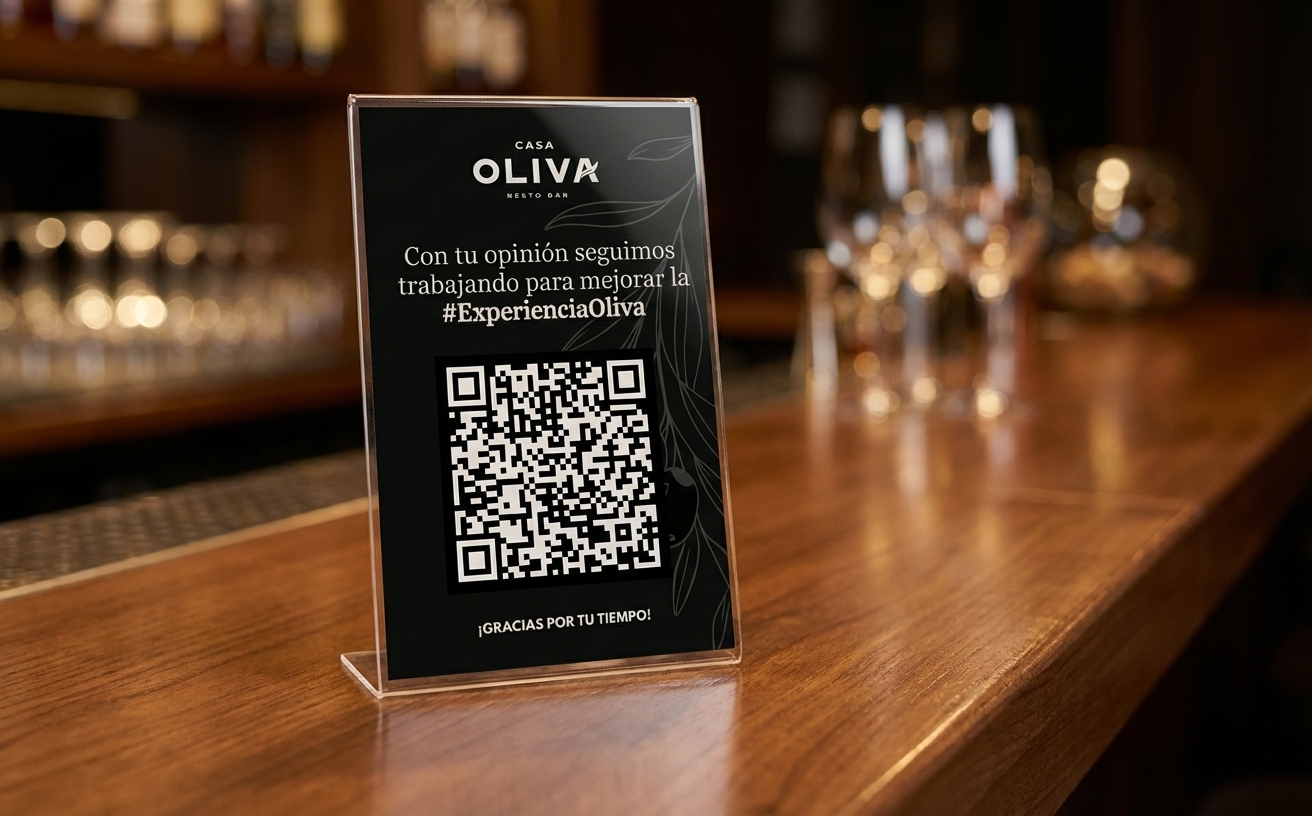
  • The right way is to take them directly to the review point, by channel and by location.
  • You connect this with a generation flow as part of [Google Maps review management](/ {country}/google-maps/google-maps-review-management).
  • H3 — 3) Be consistent by location (not by brand)
  • In chains, the big problem is that some locations generate reviews and others do not.
  • This breaks:
  • global reputation
  • brand consistency
  • local performance
  • That is why your objective should be “reviews per location,” not “total reviews.”
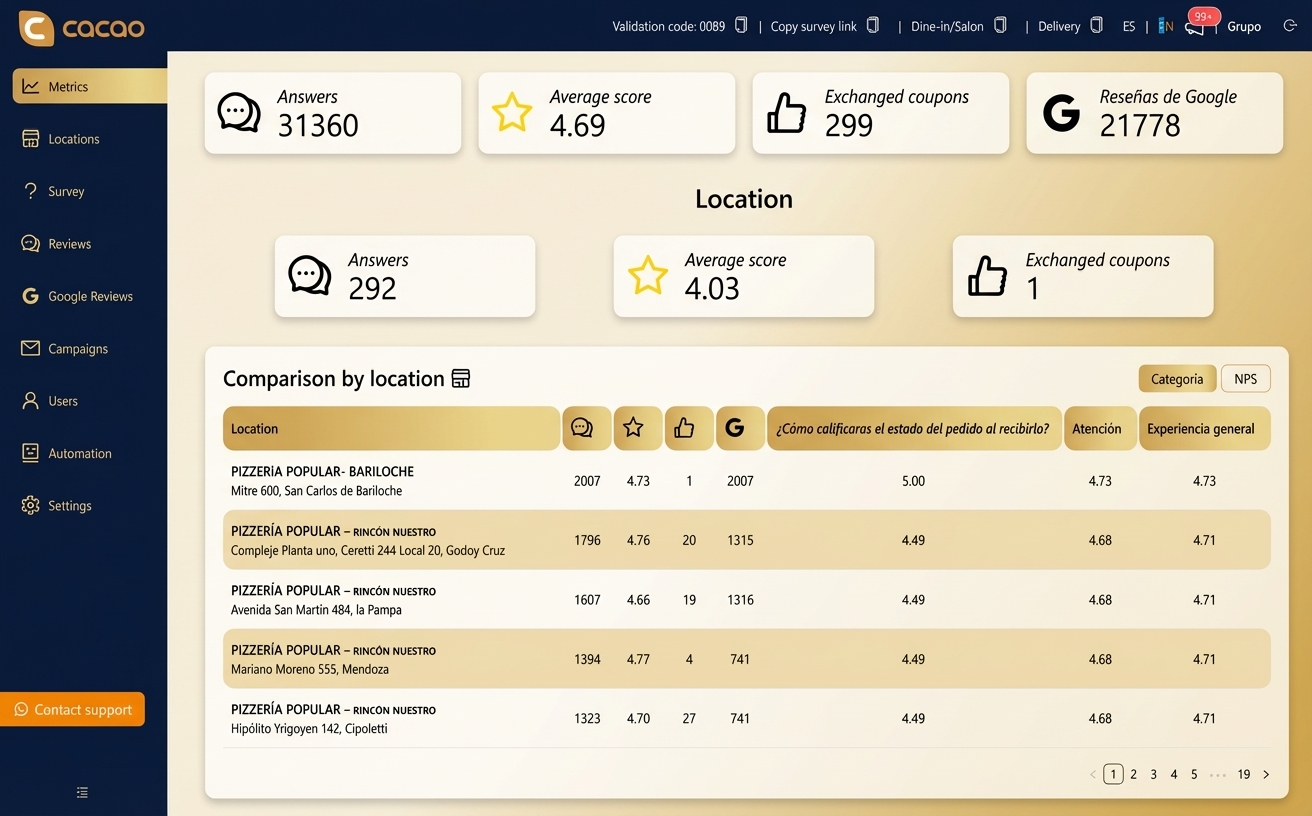
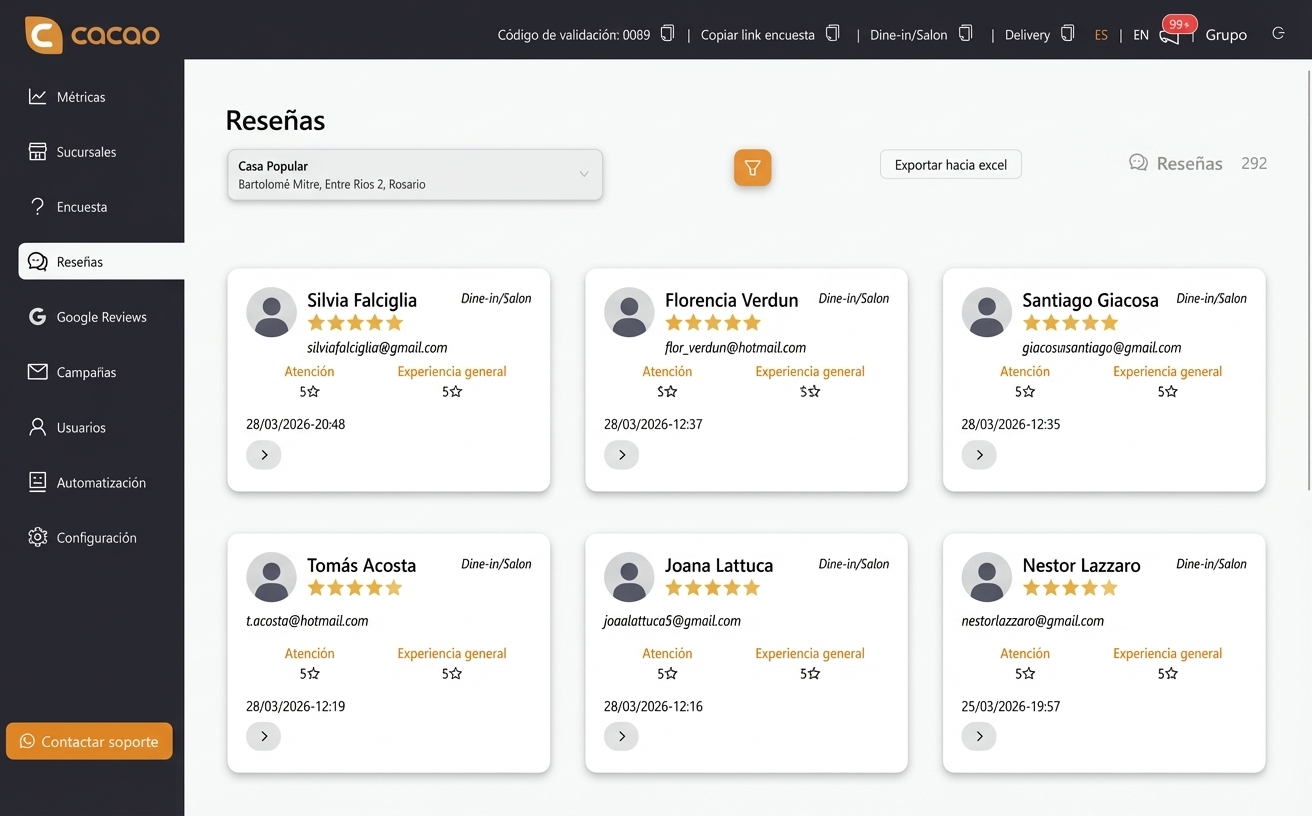
  • This is measured and managed from a [single review dashboard](/ {country}/blog/google-reviews-dashboard) (if that piece is already published) and operationalized with a [Google reputation software](/ {country}/online-reputation-handling/google-reputation-software).
  • H3 — 4) Prevent negative reviews before they reach Google
  • A very effective way to protect reputation while generating reviews is to capture feedback first, solve the problem, and only then invite the customer to review.
  • This is done with feedback/survey flows (for example, your survey module), and it is part of [online reputation management](/ {country}/online-reputation-handling).
  • If you want to see the crisis angle, check [negative Google reviews](/ {country}/online-reputation-handling/negative-google-reviews).
  • H3 — 5) Respond to reviews (yes, even positive ones) to reinforce the cycle
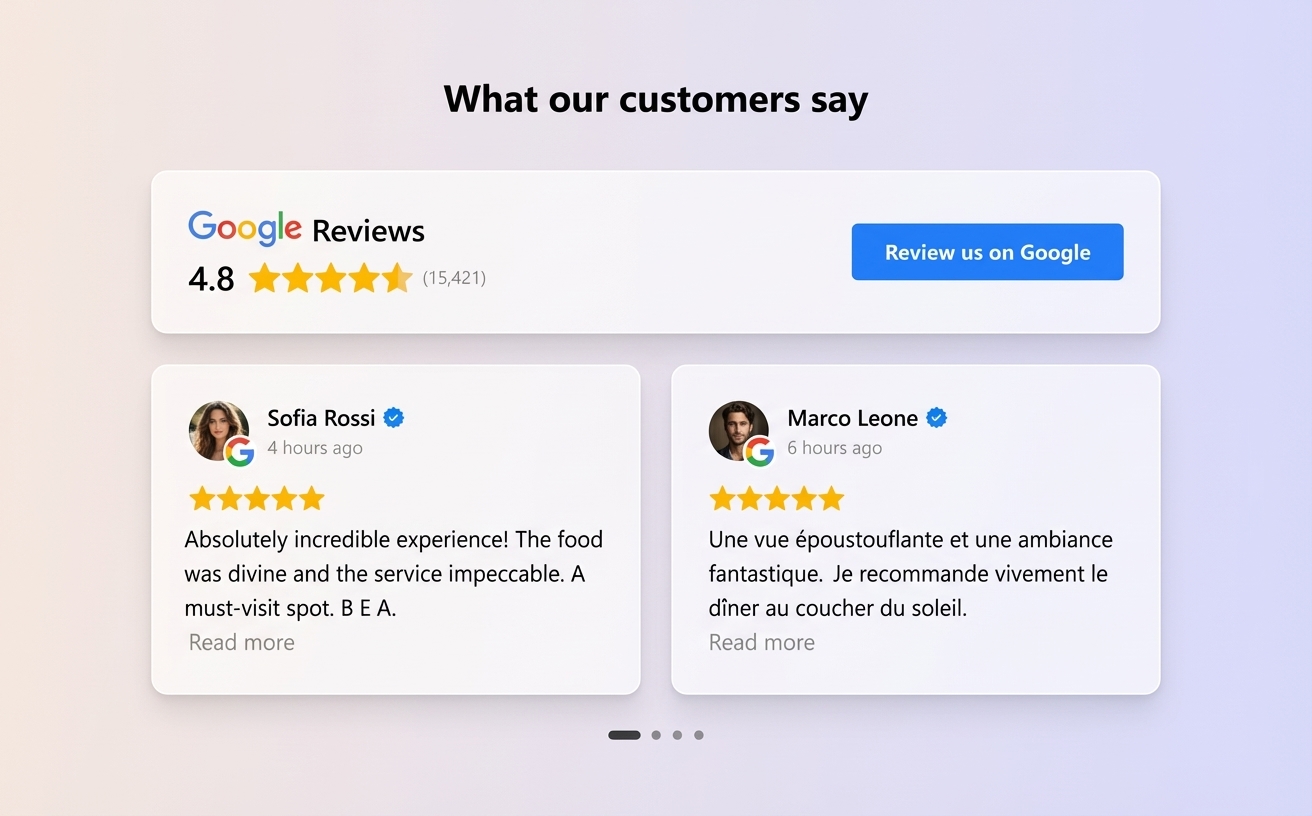
  • Responding to reviews plays an operational role: it demonstrates activity and reinforces trust.
  • If you also need to standardize and scale responses by location, you have the guide on [how to respond to Google reviews](/ {country}/online-reputation-handling/how-to-respond-google-reviews) and the approach of [Google reputation monitoring](/ {country}/online-reputation-handling/google-reputation-monitoring).

How a (simple) system to get Google reviews should look

For chains and multi-location retail/food businesses, the minimum viable system usually is:

  • Review request trigger per location
  • Channel (QR / WhatsApp / email / ticket) based on operations
  • Location-level measurement (volume + frequency + rating)
  • Alerts when a negative review appears
  • Consistent responses (brand tone)
  • That system exists to sustain your [Google Maps positioning](/ {country}/google-maps/google-maps-positioning) and your [online reputation](/ {country}/online-reputation-handling) at the same time.

How chains do it (real cases)

This approach is applied in brands with multiple locations across countries:

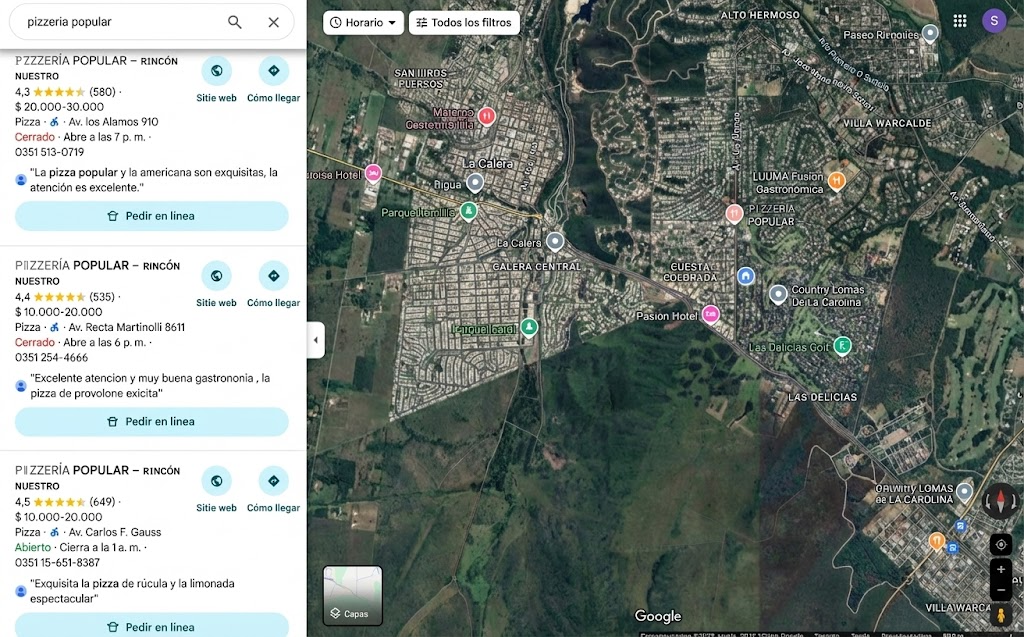
  • Pizzería Popular (Argentina) — 120 locations, +40,000 generated reviews: https://pizzeriapopularrn.com/
  • PresCar (Mexico): https://prescar.com.mx/
  • Sushi y Así (Mexico): https://www.sushiyasi.com/
  • Baires Grill (United States): https://www.bairesgrill.com/
  • If you want to see the full approach, visit [Google reputation cases](/ {country}/cases) and [Google Maps success stories](/ {country}/google-maps/google-maps-success-stories).

When do you need software (and not just “tips”)?

If at least one of these applies to you:

  • you have many locations
  • you want consistency per location
  • you need alerts and monitoring
  • you want to standardize responses
  • you want constant generation without depending on the team
  • then what you are missing is not “another tip”: it is a system.
  • That is where [Google reputation software](/ {country}/online-reputation-handling/google-reputation-software) fits.

Get Google reviews consistently, by location, and with control

If you want to turn Google Maps into an acquisition channel, you can: request a demo: [Contact](/ {country}/contact) view plans: [Pricing](/ {country}/pricing)

Request demo

FAQs

How can I get Google reviews without depending on campaigns?

By building a consistent per-location system: operational triggers + measurement + monitoring. This integrates with an online reputation management strategy.

Click here

What matters more: number of reviews or consistency?

In practice, consistency usually sustains reputation and local performance better. For full context, see Google Maps ranking.

Click here

How do I avoid increasing negative reviews when asking for reviews?

With prevention: capture feedback first and resolve issues. See negative Google reviews.

Click here

How do I manage reviews if I have many locations?

With a multi-location approach: single dashboard, local metrics, alerts, and standardization. See multi-location strategy.

Click here