Google Maps Success Stories: Real Results for Multi-Location Chains

How brands in Argentina, Mexico, and the United States turned review management into a scalable Google Maps positioning and acquisition system.

Request demo

Introduction

Google Maps has become one of the main acquisition channels for local businesses.

Chains that implement a structured review-generation and management system achieve sustained review volume, stronger reputation control by location, better Map Pack visibility, and operational standardization.

Below are real cases from brands that adopted a scalable Google Maps SEO model.
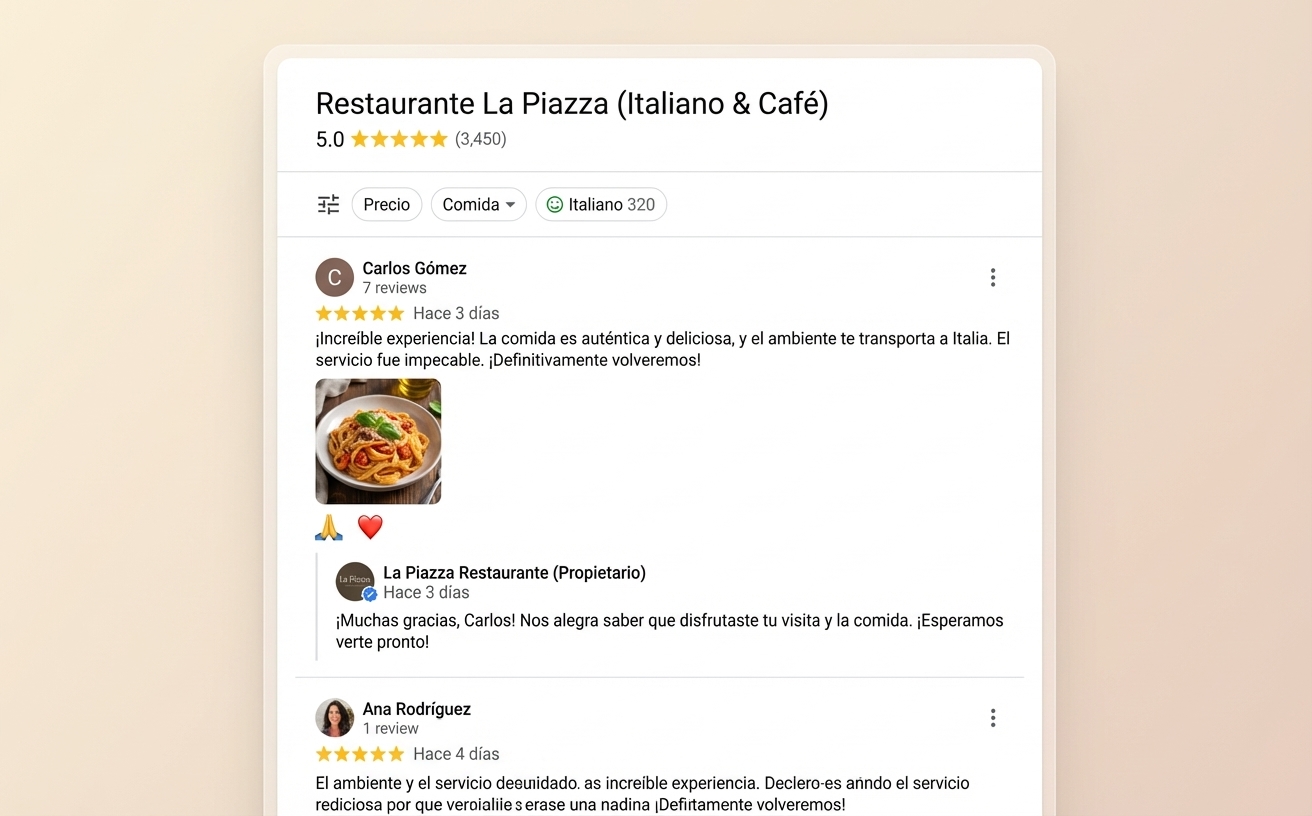
What defines a Google Maps success story

Success is not measured only by total review count. It is measured by:

  • Sustained flow of new reviews.
  • Consistency across locations.
  • Reduced response time.
  • Centralized control.
  • Sustained improvement in local visibility.

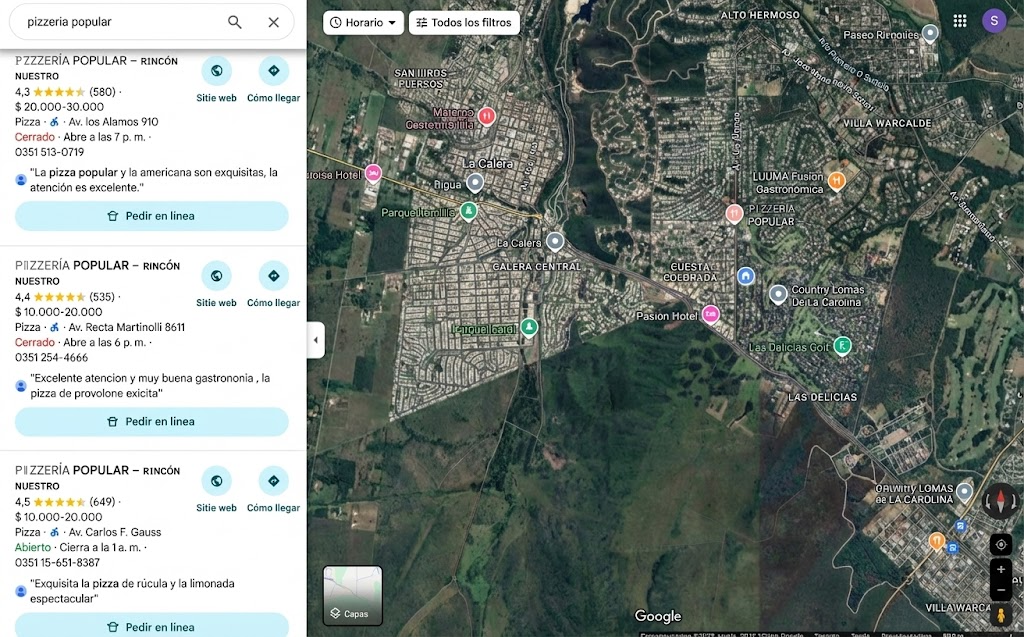
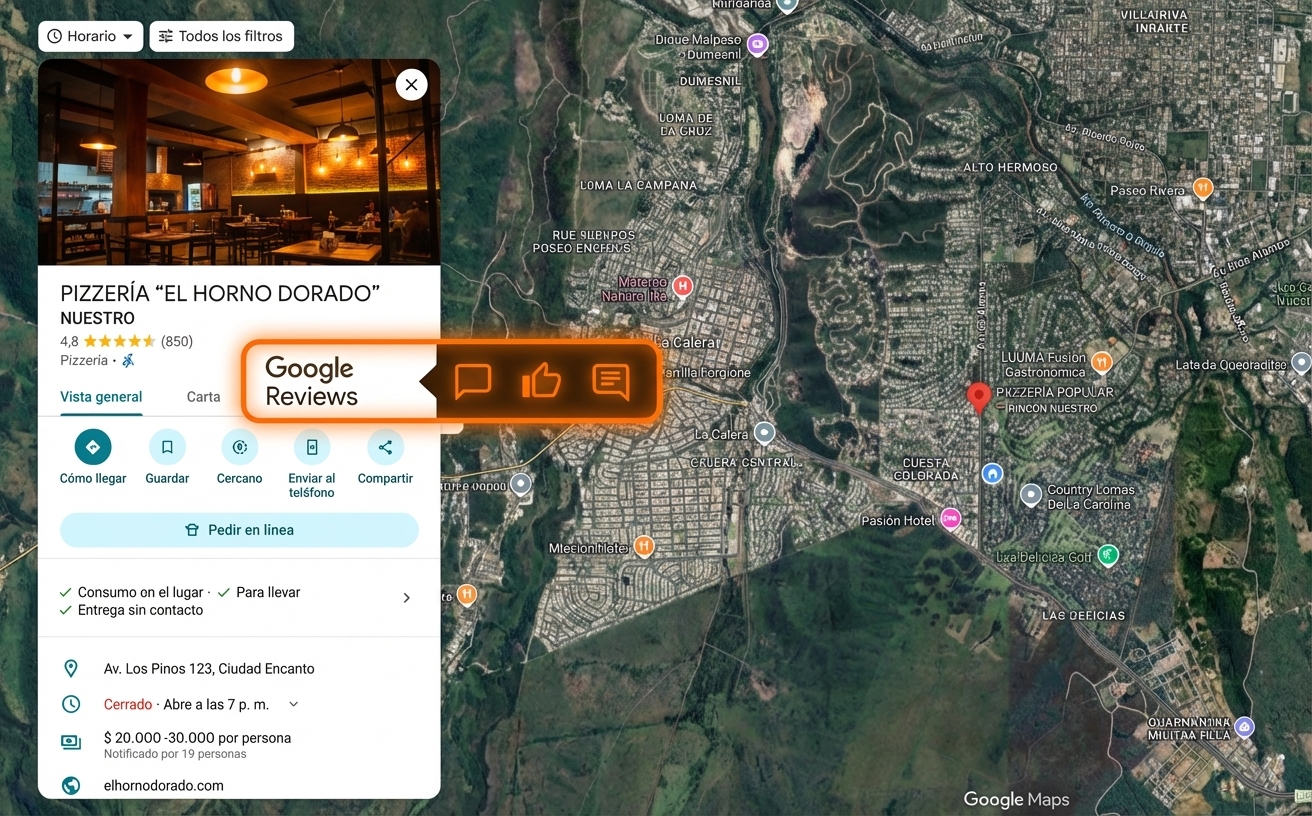
Main case: Pizzería Popular (Argentina)

Site: https://pizzeriapopularrn.com/

120 locations. +40,000 reviews generated. Active system across the full network.

Initial challenge: location-level reputation variability, non-scalable manual workflows, lack of comparative metrics, and no continuous system.

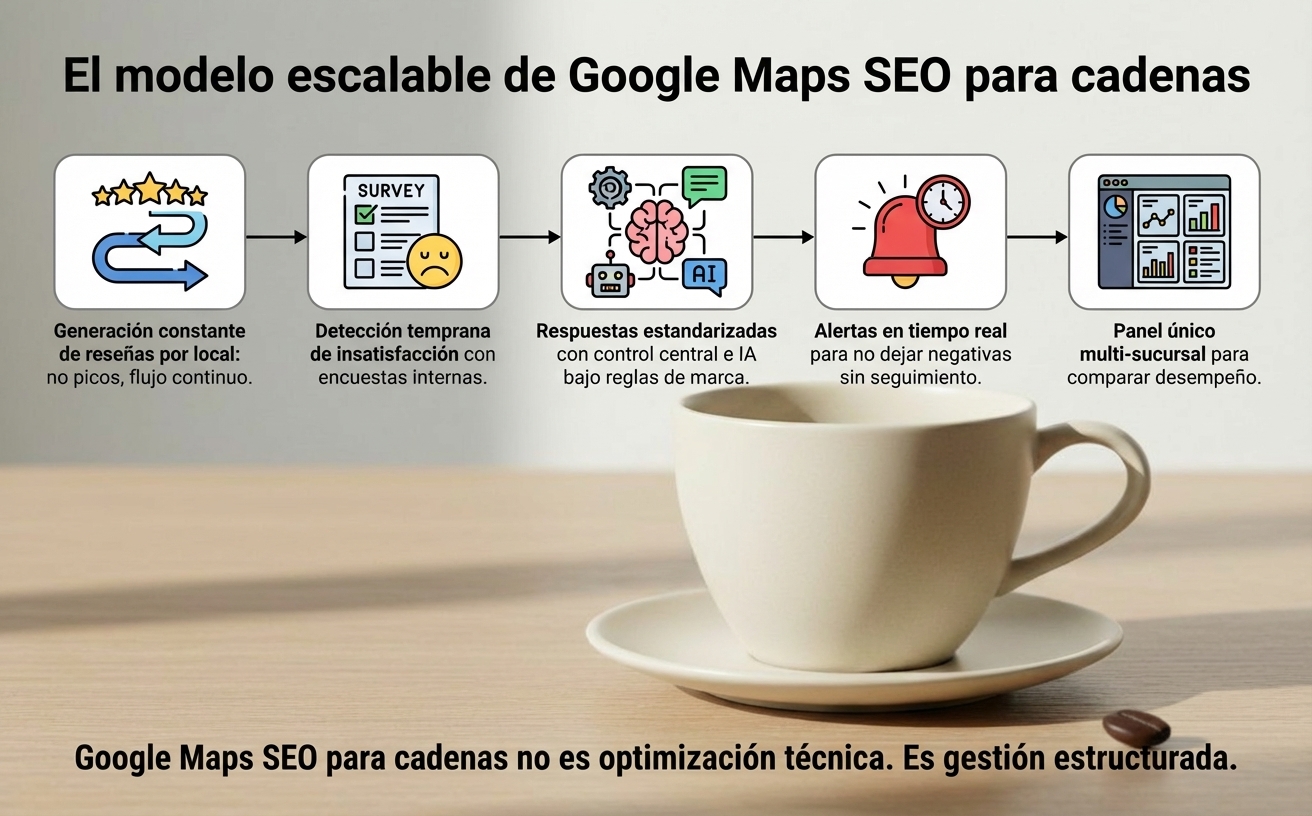
  • Geo-targeted review generation by location.
  • Internal surveys to filter dissatisfaction.
  • Real-time alerts.
  • Automated responses with brand rules.
  • Multi-location comparative dashboard.
  • Result: steady growth, stronger reputation consistency, and better local ranking control.

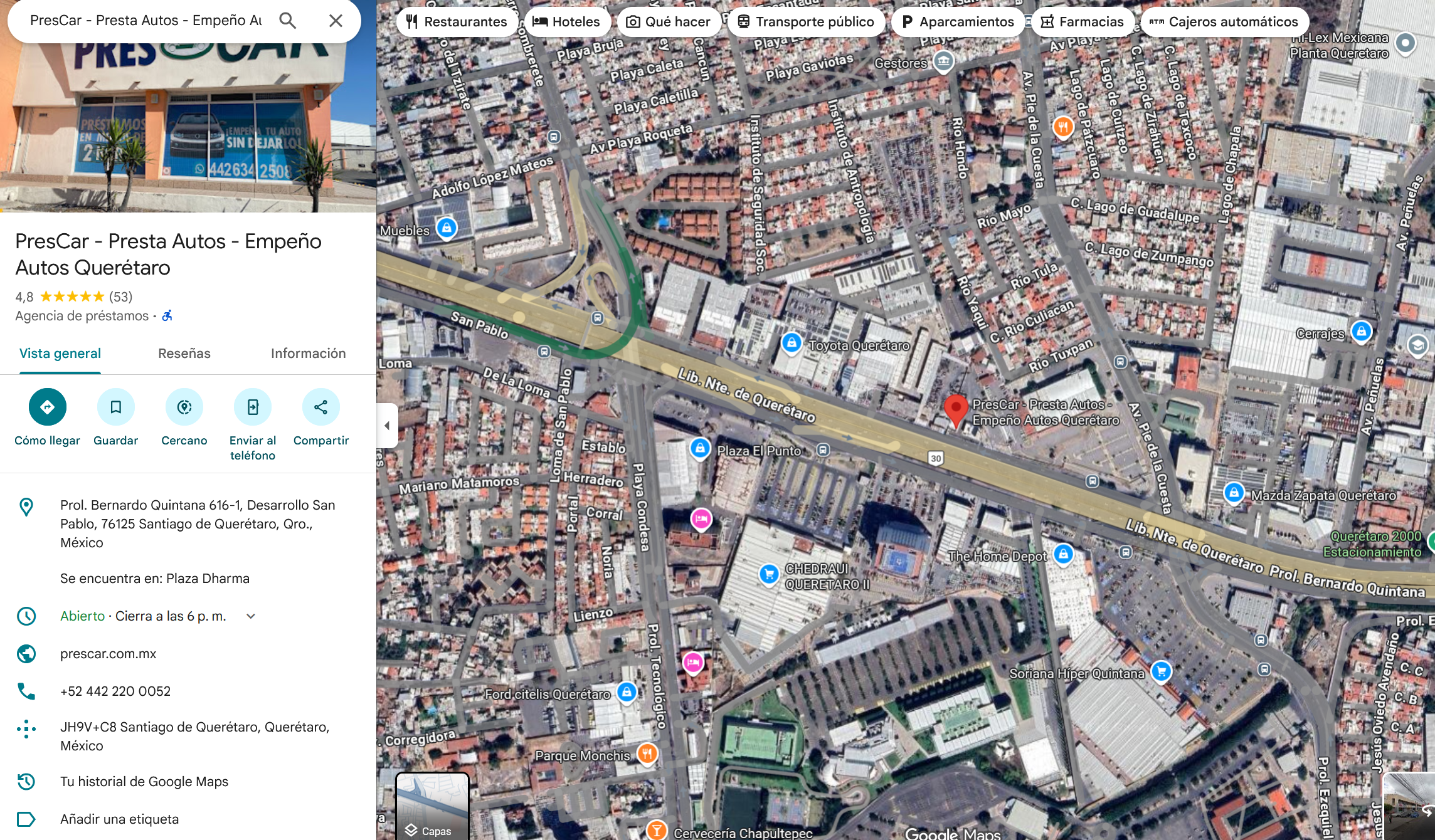
Case: PresCar (Mexico)

Site: https://prescar.com.mx/

Context: multi-location business that needed a professional reputation workflow.

  • Problem: inconsistent replies, no centralized control, no comparative metrics.
  • Implementation: response automation, continuous review flow, centralized monitoring.
  • Result: unified management, sustained visibility growth, strategic channel control.

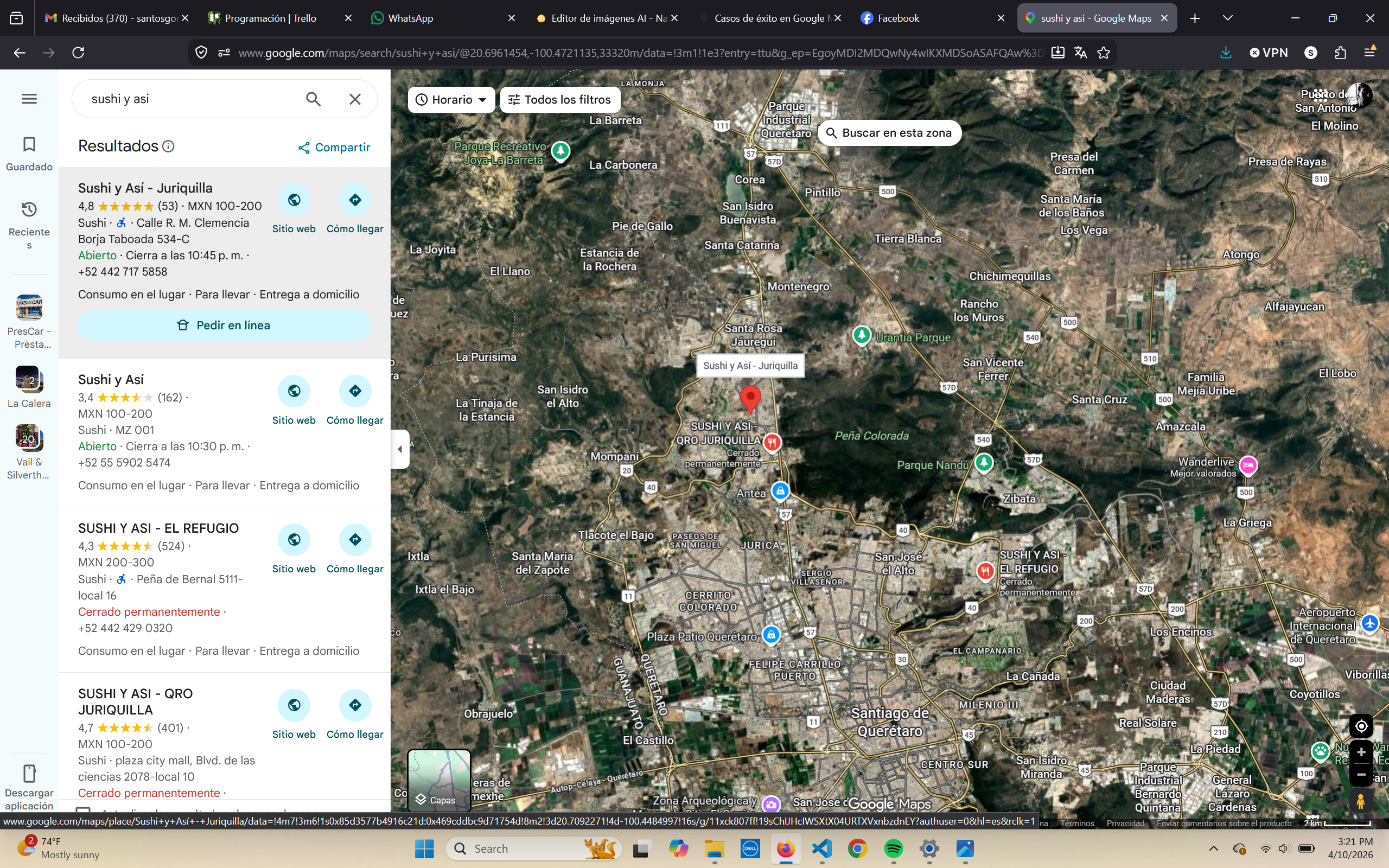
Case: Sushi y Así (Mexico)

Site: https://www.sushiyasi.com/

Challenge: intense local competition and need for stronger Google Maps activity.

  • Implementation: continuous review generation, internal surveys, location-level monitoring.
  • Result: greater reputation stability, stronger profile dynamics, professionalized management.

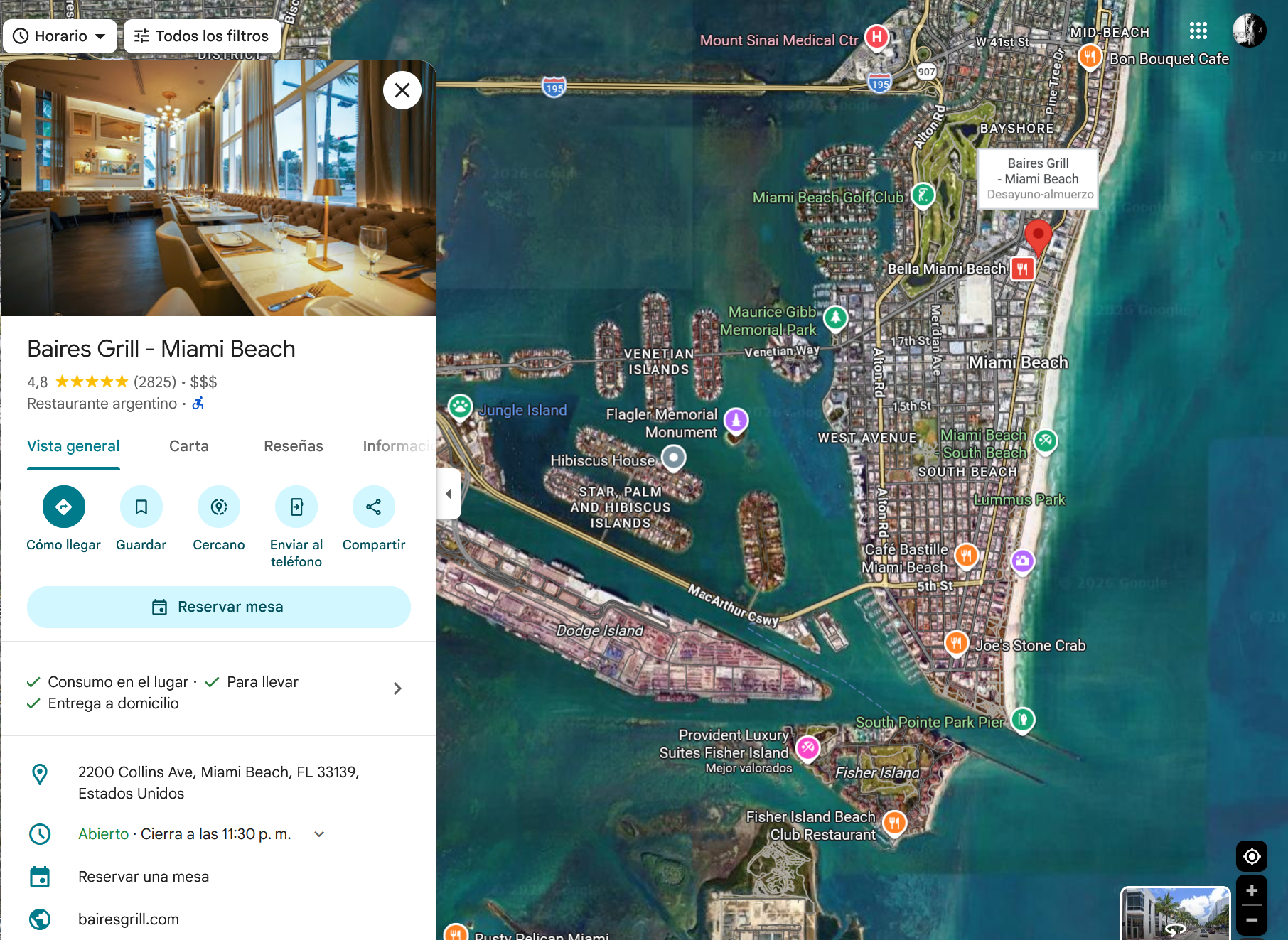
Case: Baires Grill (United States)

Site: https://www.bairesgrill.com/

Challenge: standardize reputation across multiple cities.

  • Implementation: supervised automated responses, negative-review alerts, single multi-location panel.
  • Result: consistent reputation, centralized management, better local positioning control.

What pattern repeats across all cases

Brands that improve Google Maps positioning share five principles:

  • Continuous review flow.
  • Active and fast management.
  • Consistent responses.
  • Centralized control.
  • Comparative measurement by location.
  • Google Maps SEO for chains is not one-time optimization. It is a continuous system.
Explore review generation software

Apply this model to your chain

Request a demo and we will assess your operation location by location.

Request demo

Suggested FAQ

Are these results only for large chains?

No. The model applies to any multi-location brand with local-search demand.

What improves with centralized control?

Consistency improves, response times drop, and teams can compare performance by location.

Can Google Maps become a real acquisition channel?

Yes. With sustained profile activity, visibility and visit/contact probability both increase.

Can this be implemented without disrupting operations?

Yes. The system should integrate into each location workflow, not create additional friction.