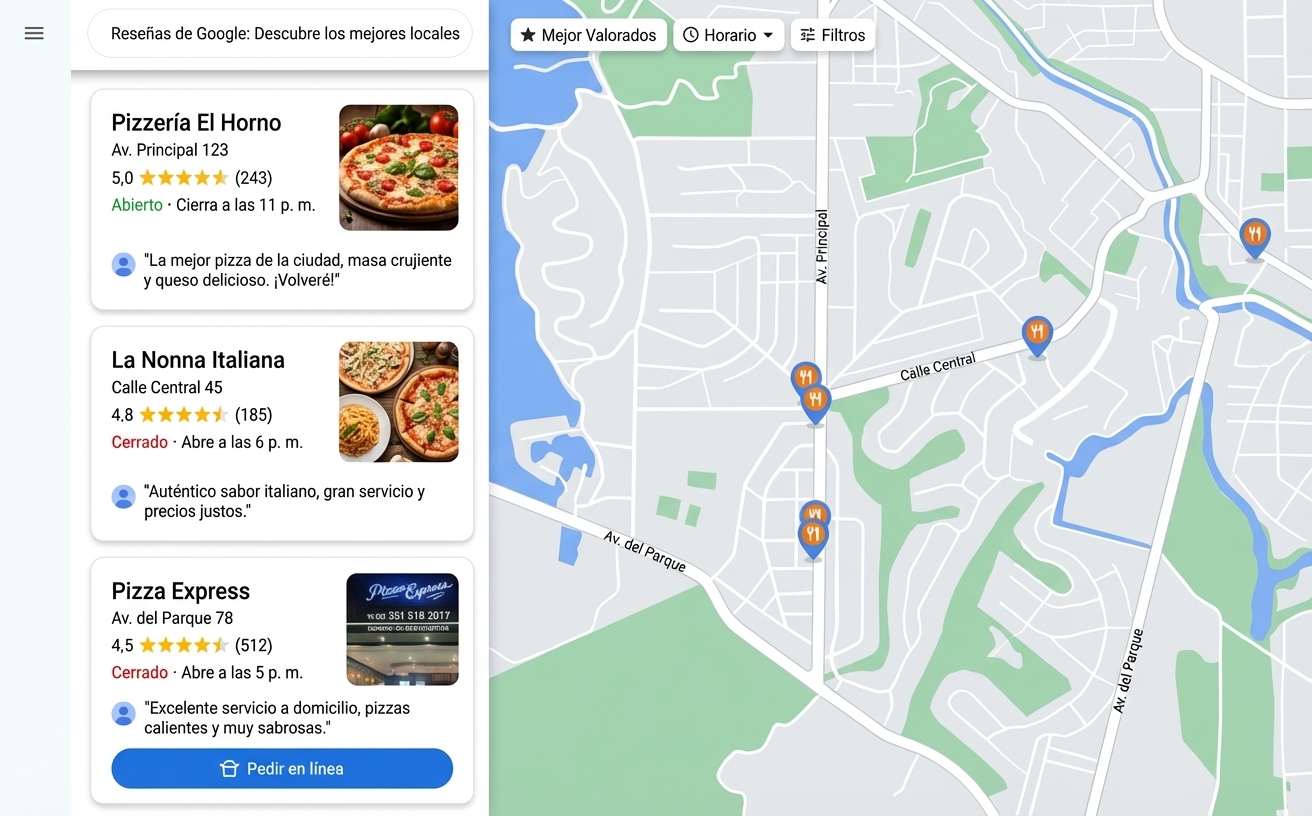
Does each location rank independently on Google Maps?
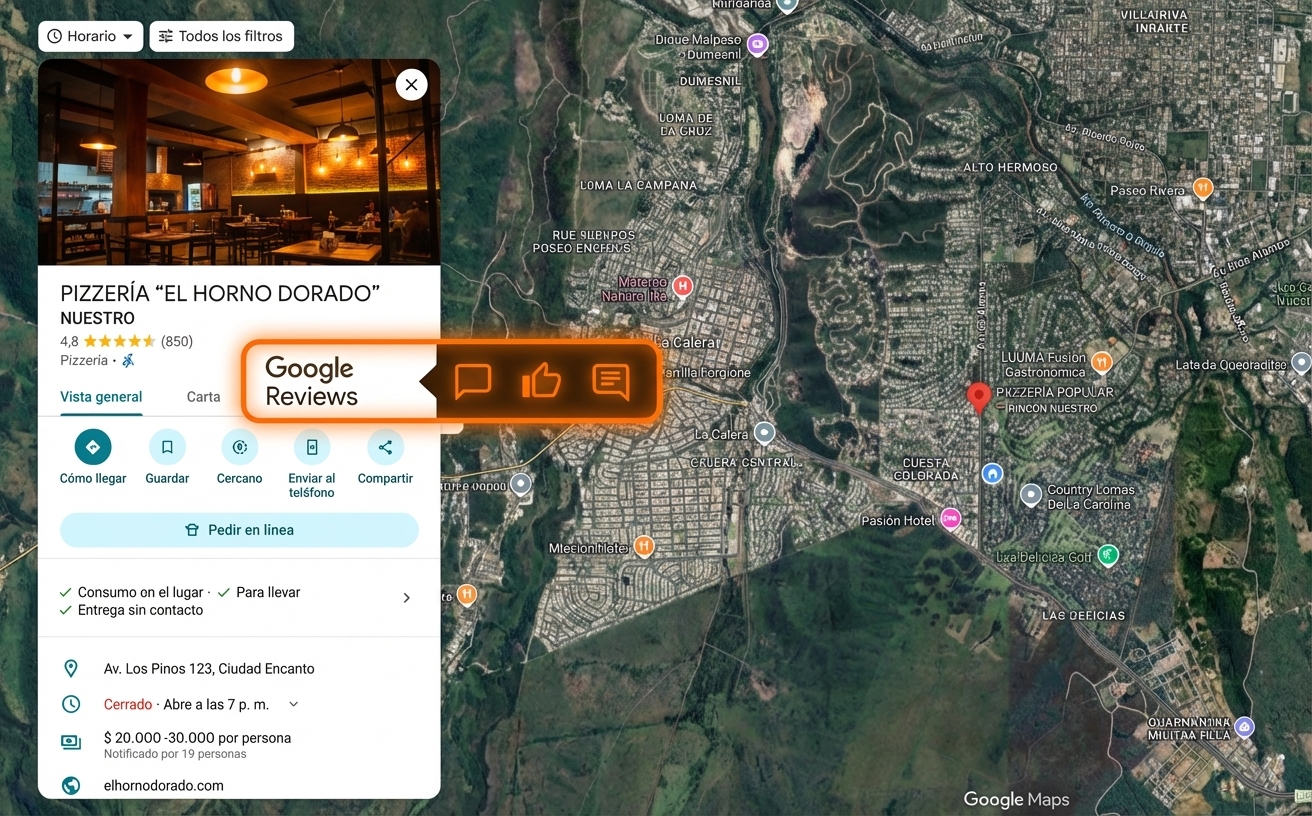
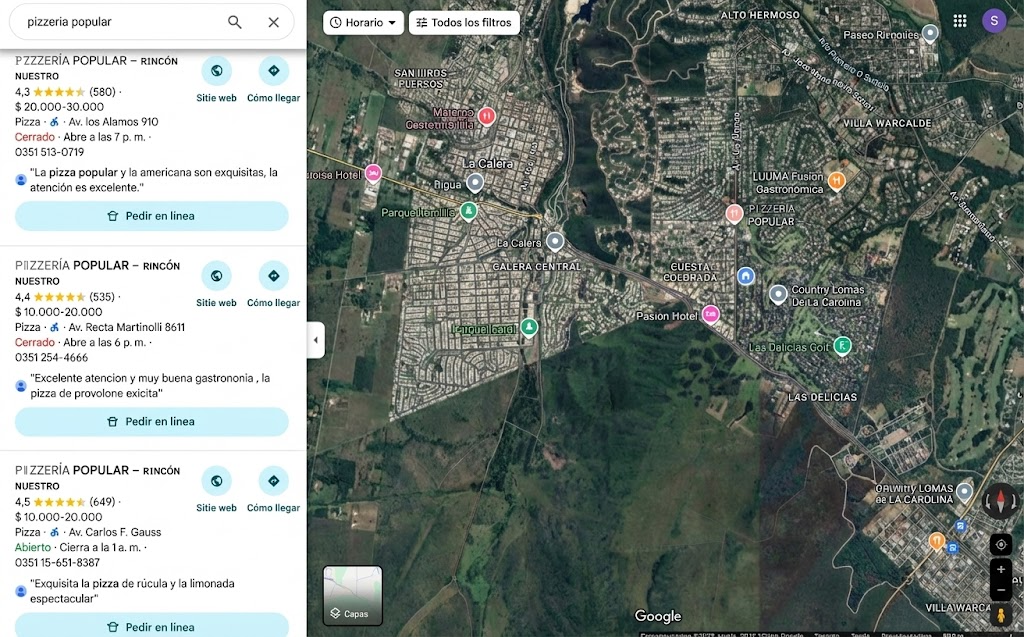
Yes. Each location has its own profile and competes independently in search results. This means every location needs its own reviews, each one has its own level of activity, and each one can rank better or worse than the others. That is why optimizing only one location is not enough. You need to work on Google Maps ranking individually for each location.
Can I concentrate all reviews on a single location?
It is not recommended. While it may seem useful to concentrate reviews in one place, in practice it creates highly visible locations, invisible locations, and lost acquisition opportunities. Each store needs its own review flow. You can implement this with strategies such as how to get Google reviews for each location.
What happens if some locations have few reviews?
They will rank worse than competitors that generate reviews consistently. Google interprets a lack of reviews as lower activity, lower relevance, and lower trustworthiness. This directly impacts the Google Maps ranking factors.
How can I improve the ranking of all my locations at the same time?
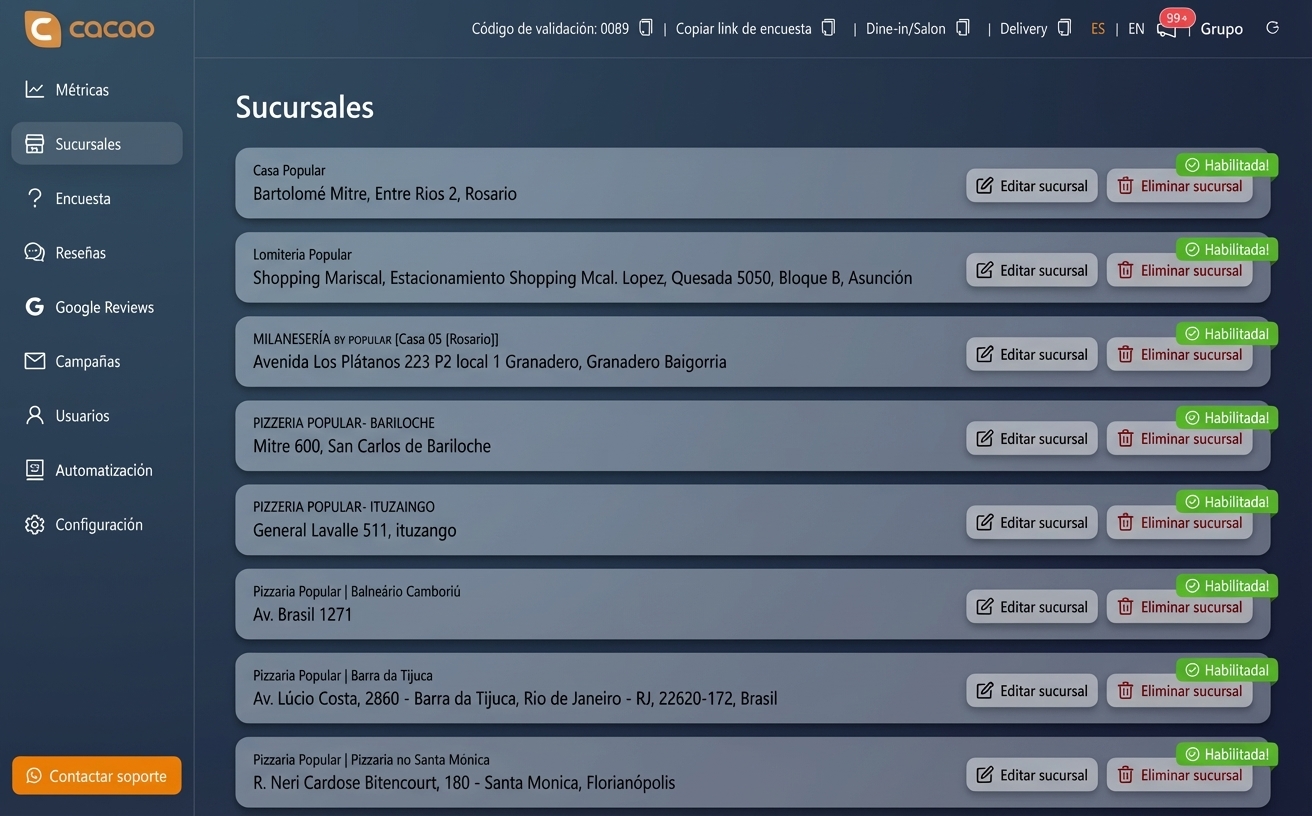
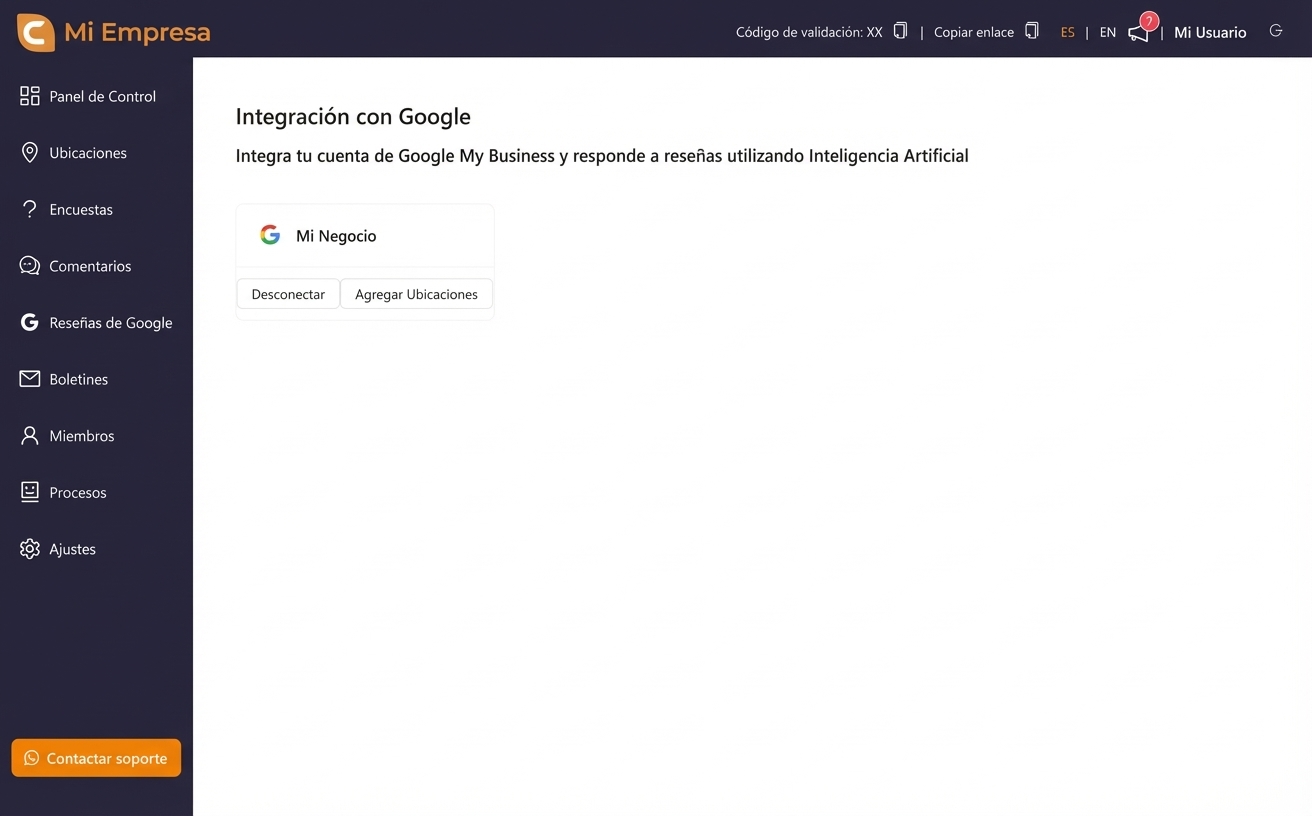
It is not about doing more actions, but doing them better. The key is implementing a system that lets you generate reviews at each location, manage them all from one place, maintain consistency in replies, and detect problems quickly. This is the approach that allows you to scale Google Maps SEO for chains.
Can a chain with many locations be managed manually?
In theory, yes. In practice, it does not scale. As locations grow, review volume increases, control is lost, inconsistencies appear, and responses slow down. That is why growing companies usually work with centralized systems and processes.
How does review management impact the ranking of each location?
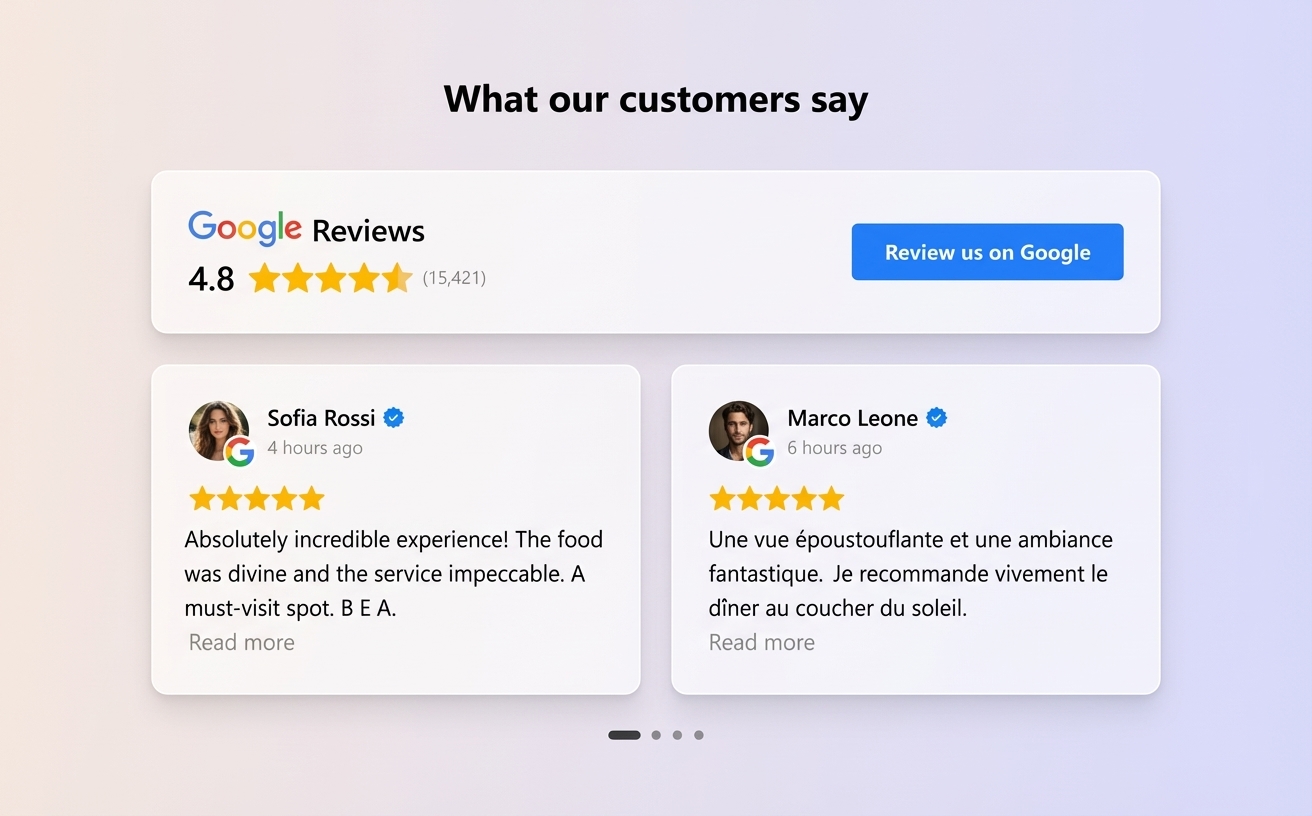
Management impacts several levels: it increases profile activity, improves user perception, and creates more interaction. All of this influences ranking. Good Google Maps review management combined with consistent review generation improves visibility.
What role does consistency across locations play?
It is one of the most important factors for chains. When a business responds uniformly, maintains quality in the experience, and generates reviews in every location, Google interprets a strong brand signal. This impacts both individual ranking and global performance.
How can I detect which locations are performing worse?
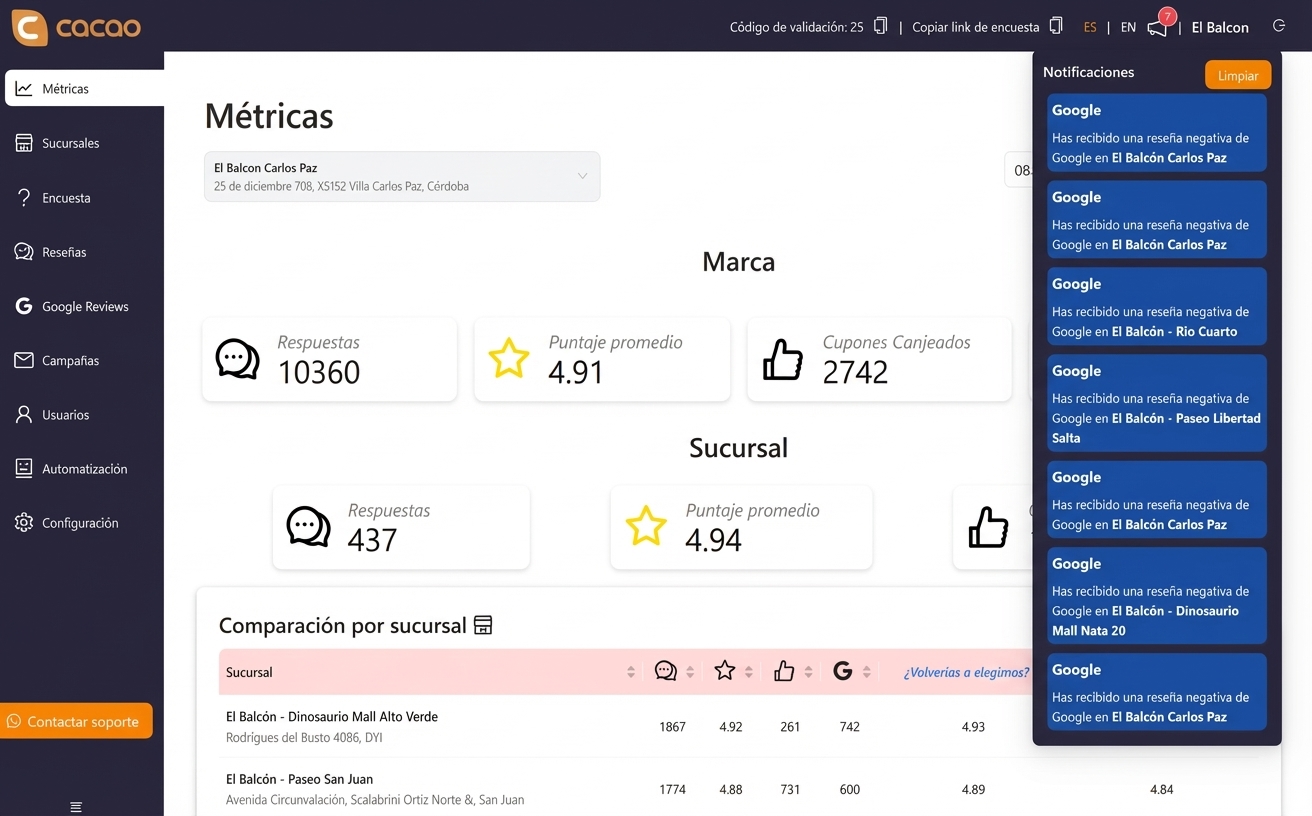
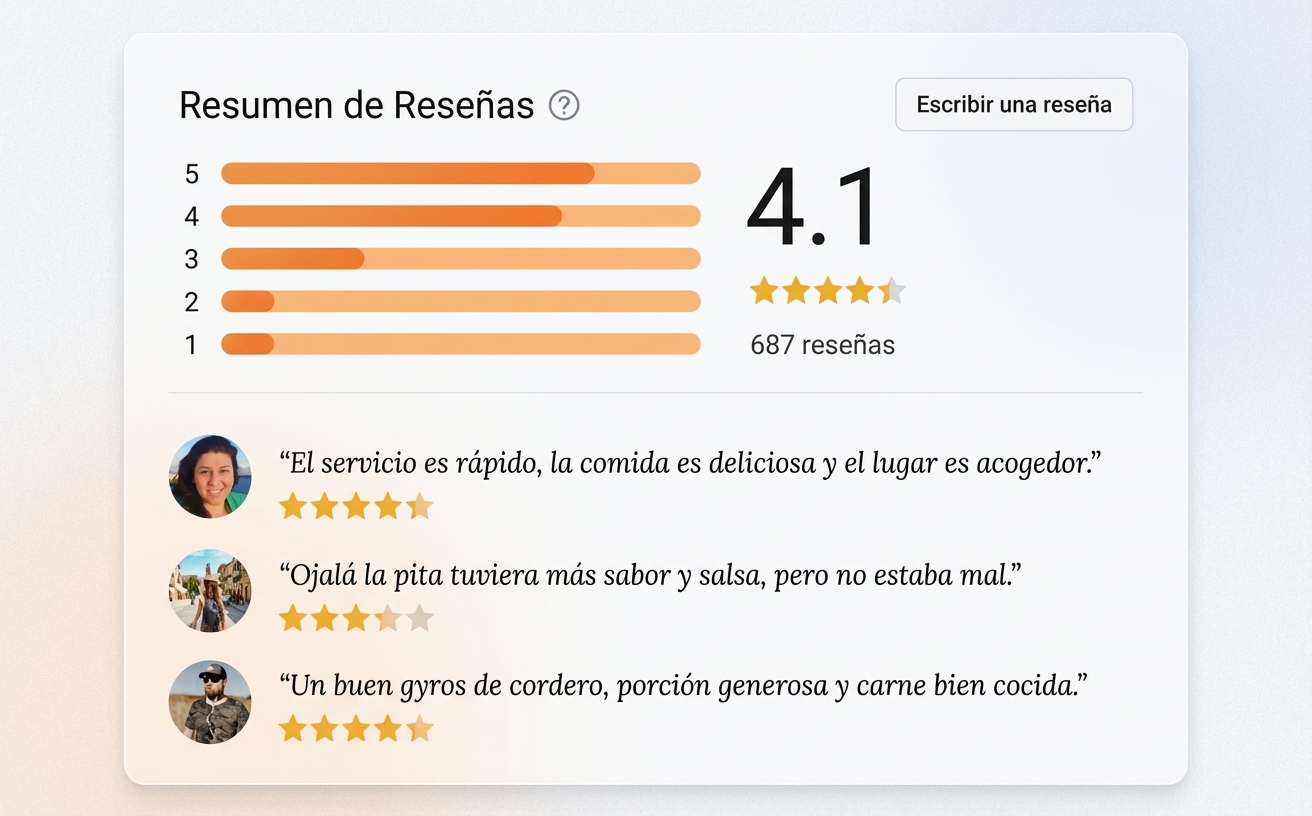
You need centralized visibility. Some key indicators are review volume by location, response time, average rating, and the frequency of new reviews. Without a system, this information is usually fragmented.
What happens if I do not control how each location manages its reviews?
It is one of the most common problems in chains. It creates inconsistent responses, different customer experiences, and loss of brand control. That is why it is essential to centralize management and define protocols.
How can I make sure each location receives reviews consistently?
The key is to integrate review requests into daily operations. For example, at the point of sale, after a purchase, or through automated channels. This can be strengthened with tools like Google review QR codes or automated flows.
What is the biggest mistake when trying to rank multiple locations?
Thinking it is about repeating the same thing at every location. In reality, it is about having a global strategy, executing locally, and controlling centrally. That balance is what makes scale possible.
What differentiates a chain that dominates Google Maps from one that does not?
Mainly three things: consistency across all locations, steady review generation, and active centralized management. The companies that achieve this are the ones that end up dominating results across multiple locations.
How can I start improving today?
You can start by analyzing the state of each location, identifying which ones have fewer reviews, defining a generation process, and centralizing management. From there, you can move toward a more scalable system.