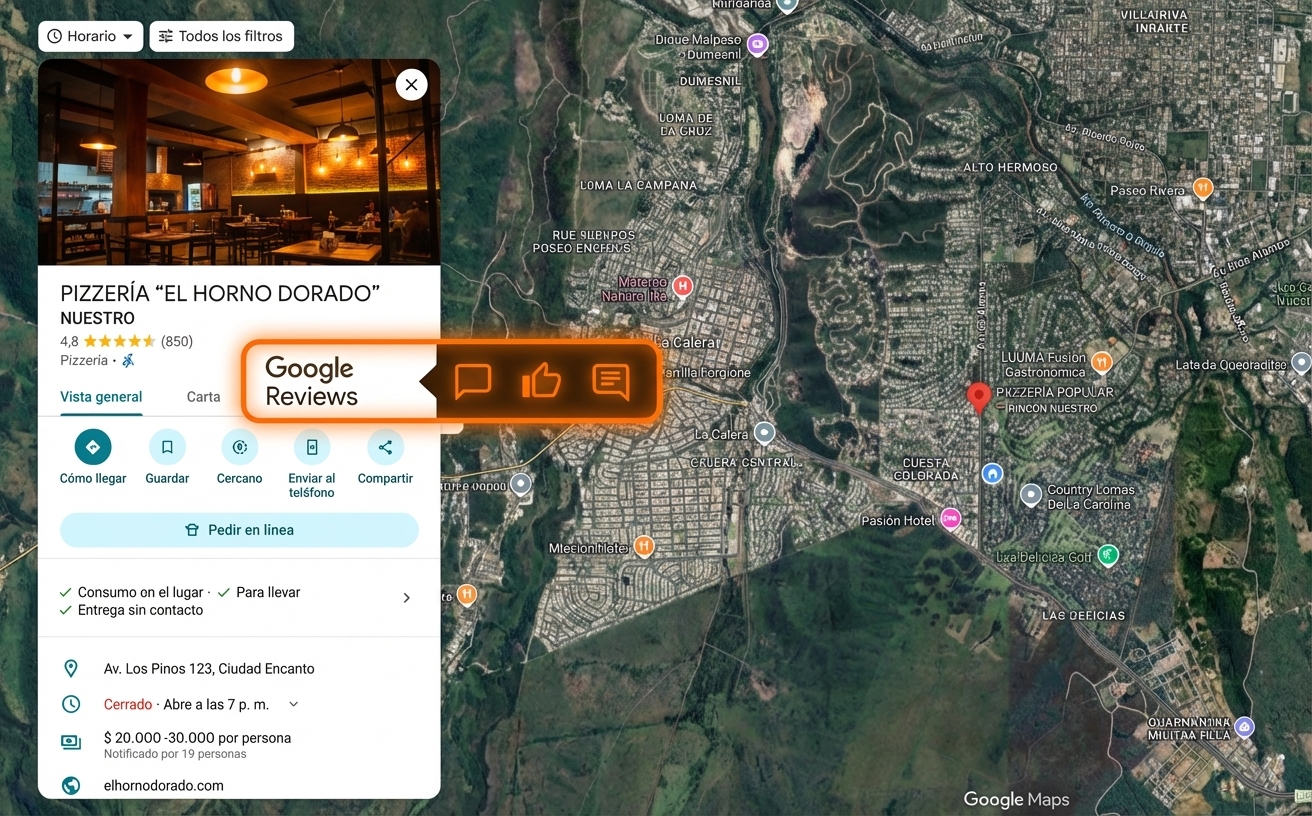
How to rank on Google Maps: a complete guide to position your business

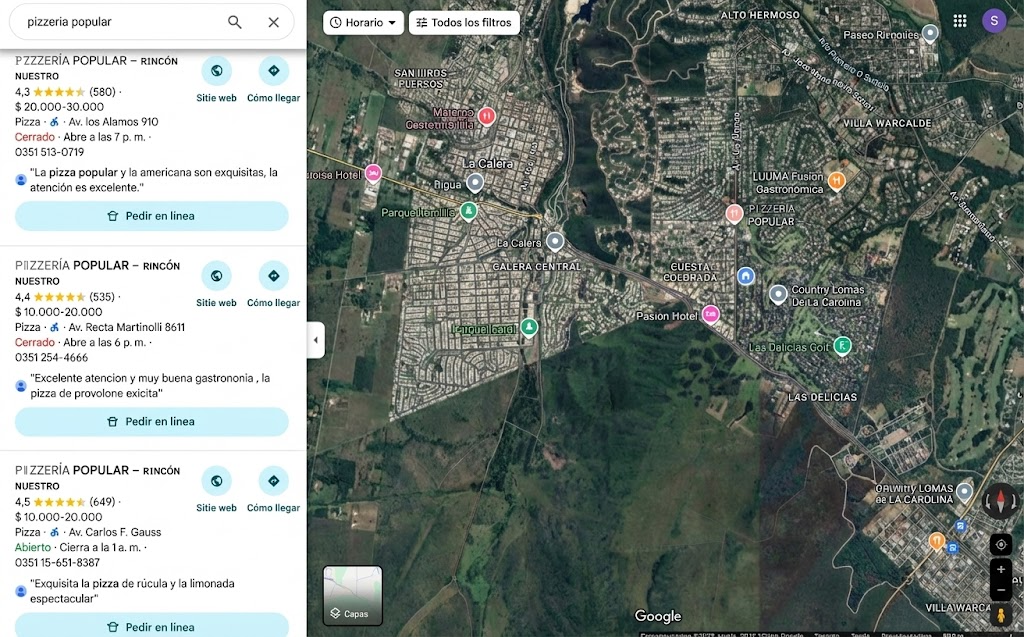
Appearing on Google Maps is not enough. What really matters is appearing first. When a user searches for a business, most clicks go to the top results. That is why understanding how to rank on Google Maps is not just a technical issue. It is a direct customer acquisition strategy. In this guide, you will see how to do it step by step.

How Google Maps ranking works

How Google Maps ranking works

Before looking at the process, it is important to understand what defines ranking.

Google uses three main factors:

You can go deeper into each one in Google Maps ranking factors.

But understanding the factors is not enough. The difference lies in how you work them.

  • Proximity.
  • Relevance.
  • Prominence.
Strong foundation for Google Maps ranking

Step 1: build a strong foundation

Before thinking about scale, you need a proper foundation.

This includes:

Without this foundation, any later strategy loses effectiveness.

  • Complete profile.
  • Well-defined categories.
  • Consistent information.
Generate reviews consistently

Step 2: generate reviews consistently

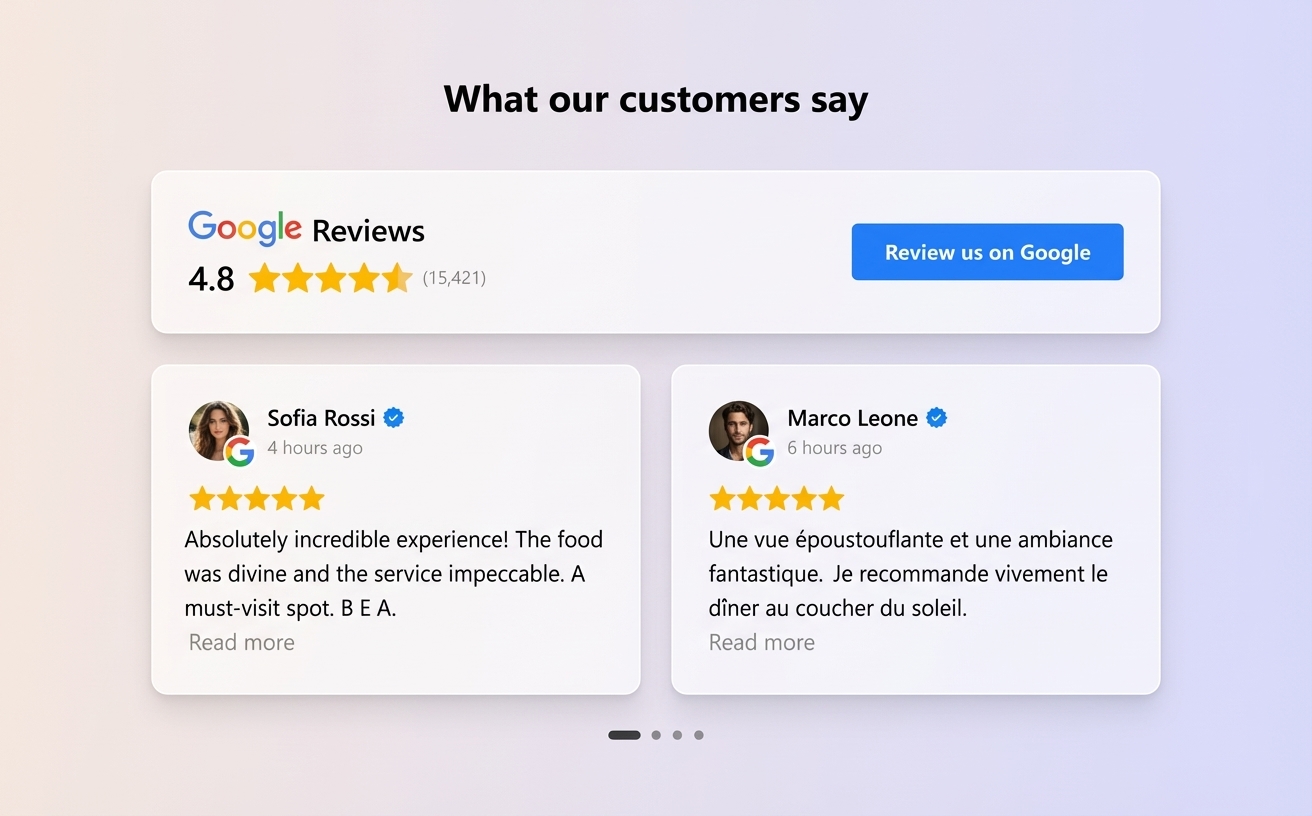
Reviews are the engine of ranking. But having many is not enough.

You need:

That is why implementing strategies like how to get Google reviews is key.

Businesses that grow do not wait for reviews. They generate them.

For example:

  • Steady flow.
  • Recent reviews.
  • Relevant content.
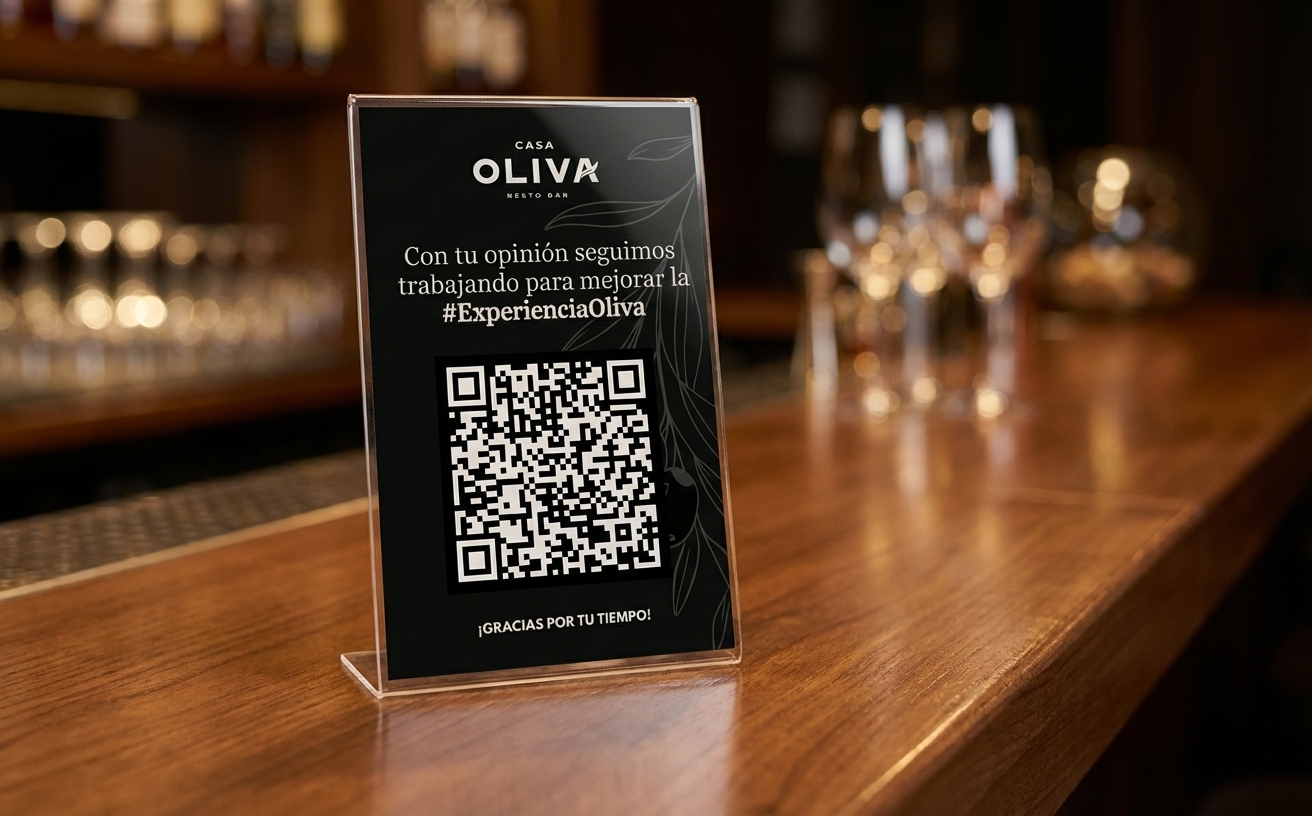
  • Using Google review QR codes at the point of contact.
  • Activating post-service flows.
  • Integrating the process into operations.
Active review management on Google Maps

Step 3: manage reviews actively

Generating reviews without managing them is not enough.

You need to respond, interact, and detect problems.

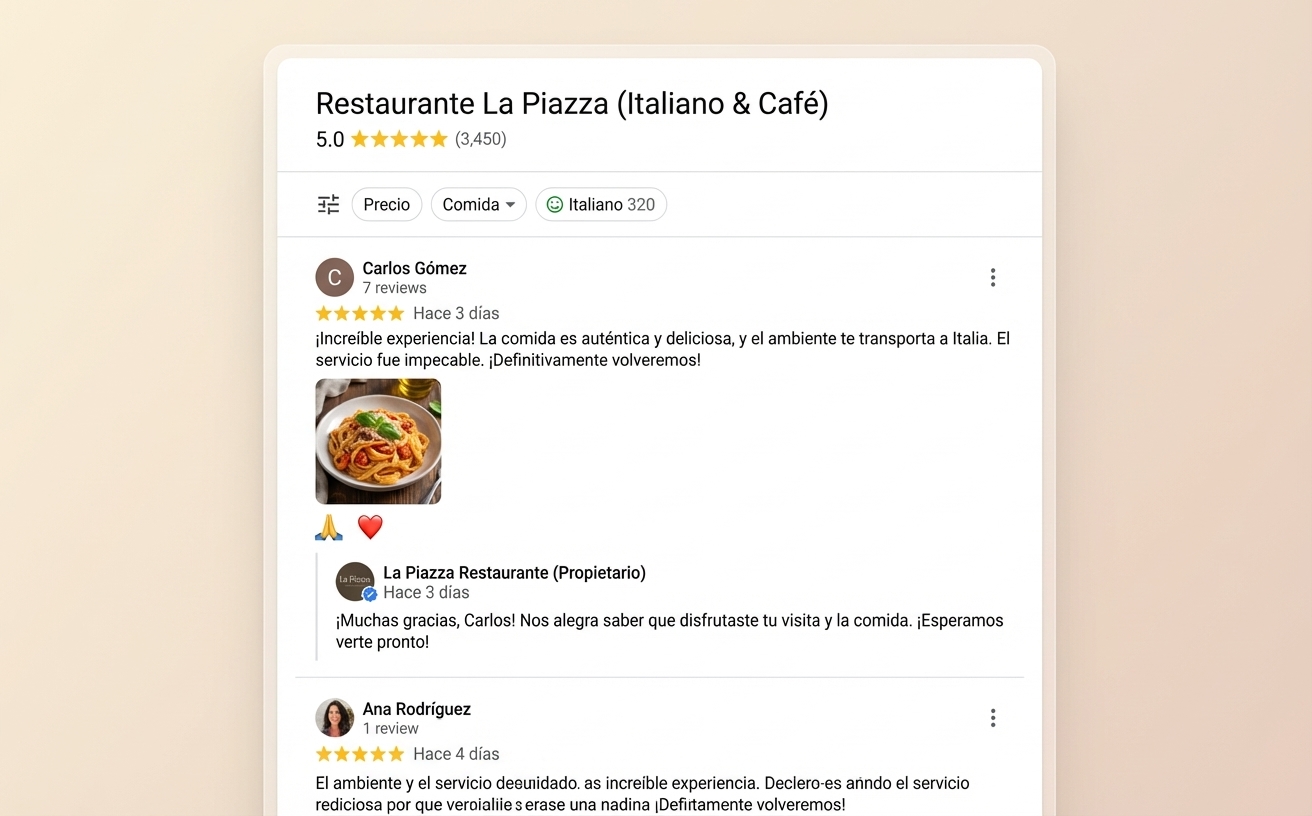
Good Google Maps review management improves both perception and ranking.

Proper management means:

This increases profile activity, which is key for ranking.

  • Respond to every review.
  • Prioritize negative ones.
  • Maintain consistency.
Profile activity on Google Maps

Step 4: optimize profile activity

Google prioritizes active businesses.

This implies:

The most common mistake is optimizing once and then abandoning the profile.

Ranking is built through consistency.

  • Constant interaction.
  • New reviews.
  • Frequent replies.
Scale Google Maps across multiple locations

Step 5: scale the system

As the business grows, the challenge changes. It is not only about ranking. It is about sustaining ranking.

The scaling problem appears with multiple locations, more reviews, and greater complexity. Without a system, this becomes unmanageable.

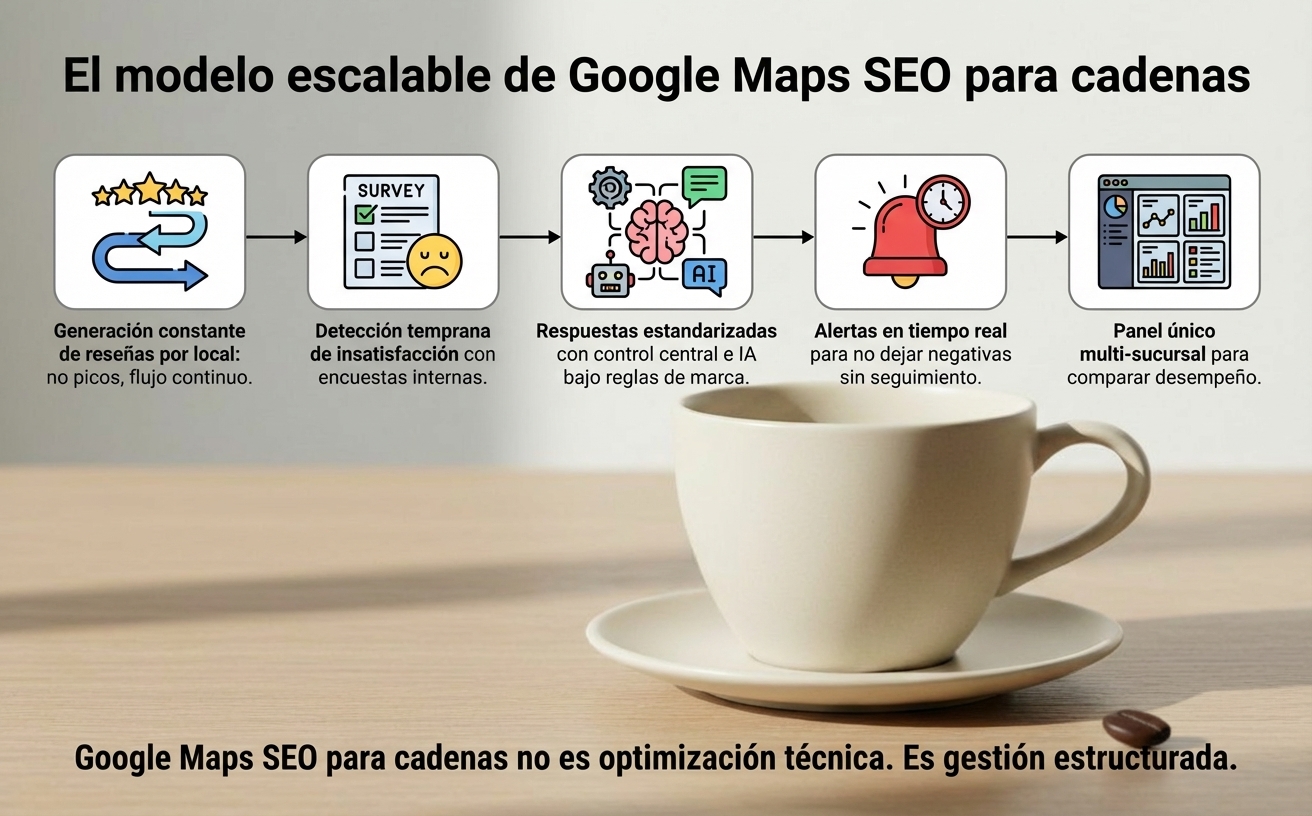
The solution is to implement strategies like Google Maps SEO for chains.

This allows you to:

  • Maintain consistency.
  • Scale results.
  • Control all locations.
System to rank on Google Maps

Step 6: turn actions into a system

Businesses that truly dominate Google Maps do not rely on isolated actions. They work with systems.

Systems that:

  • Generate reviews.
  • Manage interaction.
  • Maintain activity.
  • Scale operations.
Real examples of businesses ranking on Google Maps

Real examples of businesses that achieved ranking gains

The results are not theoretical.

Real businesses achieved thousands of reviews, number-one rankings, and inquiry growth.

You can see examples in Google Maps success stories.

Mistakes that prevent Google Maps ranking

Mistakes that keep you from ranking

Some mistakes slow profile growth and reduce the impact of the work you do.

  • Not generating reviews. This is the most common mistake.
  • Not managing them. It reduces impact.
  • Lack of consistency. Ranking is dynamic.
  • Thinking in isolated actions. What works is the system.
How to move from theory to results on Google Maps

How to move from theory to results

Ranking is not a single action. It is a process.

When you combine generation, management, consistency, and system, you improve ranking in a sustained way.

That is how you improve Google Maps ranking.

Tool to rank on Google Maps

The most efficient way to do it

The businesses that rank best do not do it manually. They implement systems that let them scale.

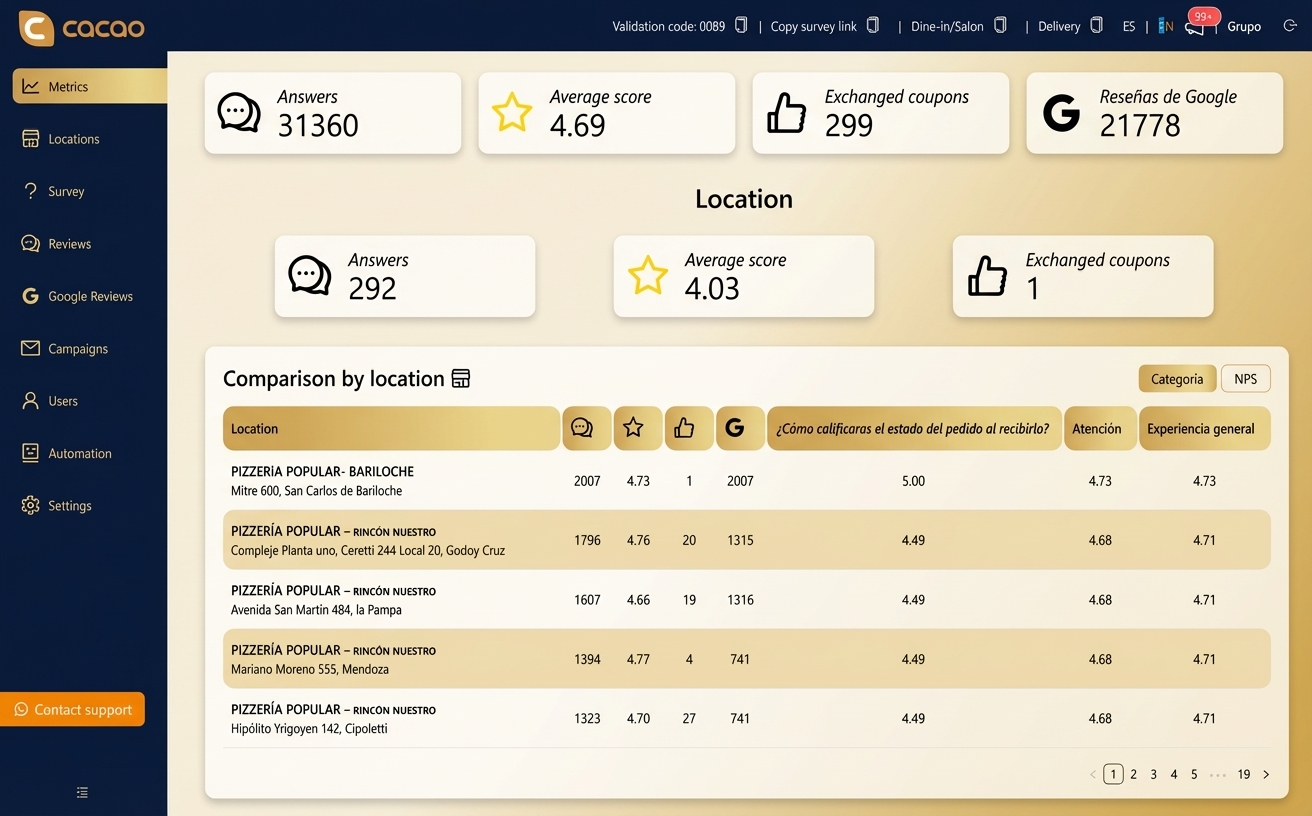
That is why many use a Google review management tool.

Ranking on Google Maps is not an isolated action.

It is the result of a strategy that combines reviews, active management, consistency, and system. When all of that is executed well, the business gains visibility, inquiries, and customers.

Request demo

Frequently asked questions

What is the fastest way to rank on Google Maps?

The fastest way is to increase profile activity: generate reviews consistently, respond to every review, and maintain interaction. The impact is not immediate, but it is cumulative.

How many reviews do I need to rank?

There is no fixed number. It depends on your competition. What matters is maintaining a steady flow and keeping the profile active.

Which factor influences ranking the most?

Prominence, especially reviews.

How long does it take to see results?

Between weeks and months. It depends on consistency.

Can this be done without tools?

Yes, but it does not scale.

What is the biggest mistake?

Thinking it is a one-time action.